
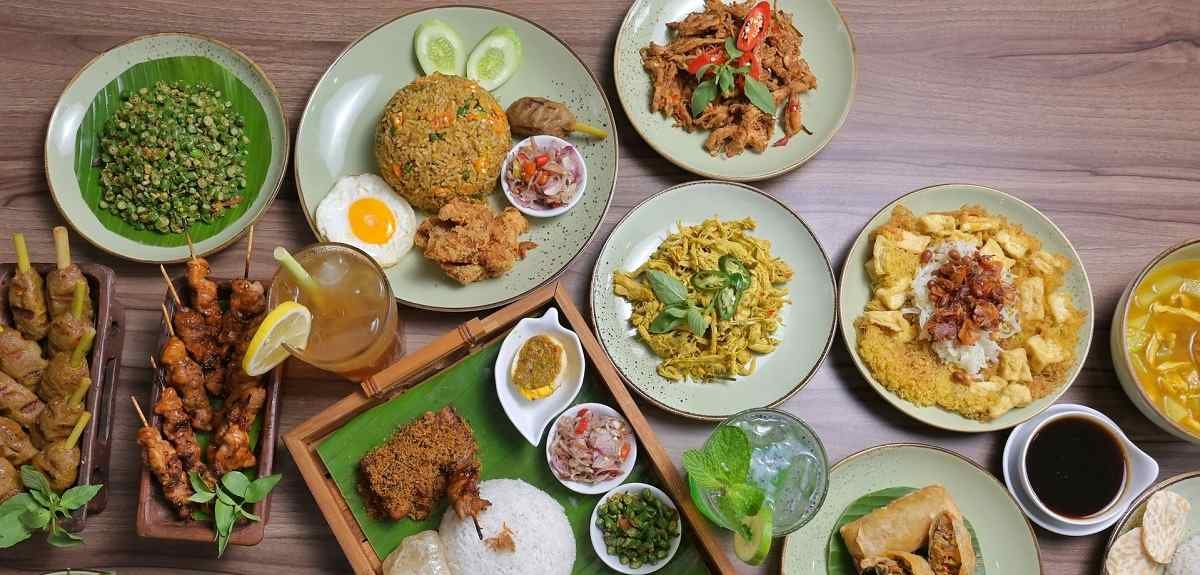
Food is much more than something we eat when we are hungry. It gives us energy, supports our health, brings people together, and can even influence how we feel throughout the day. In a world filled with fast food, packaged snacks, and convenient meals, choosing good food has become more important than ever.
But what exactly is good food? It does not necessarily mean expensive ingredients, complicated recipes, or following a strict diet. Good food is simply food that provides your body with the nutrients it needs while also being enjoyable, satisfying, and balanced.
What Does Good Food Really Mean?
Good food can mean different things to different people, but the basic idea is simple: choose foods that nourish your body and support a healthy lifestyle.
Fresh fruits and vegetables, whole grains, beans, lentils, nuts, seeds, eggs, dairy products, fish, and lean sources of protein can all be part of a nutritious diet. At the same time, enjoying your favorite foods occasionally is also perfectly reasonable.
Healthy eating is not about completely eliminating foods you enjoy. It is about creating balance.
For example, instead of making a meal entirely from processed foods, you can combine a source of protein with vegetables, whole grains, and healthy fats. This creates a meal that is both delicious and nutritionally balanced.
Why Good Food Matters
The food we eat has a direct relationship with our overall well-being. Our bodies constantly need nutrients to perform essential functions, from producing energy to repairing cells and supporting the immune system.
A balanced diet can provide important nutrients such as protein, carbohydrates, healthy fats, vitamins, minerals, and fiber.
1. Good Food Provides Energy
Our bodies need energy throughout the day for everything from walking and working to thinking and exercising. Carbohydrates, fats, and proteins all contribute to our energy needs.
Choosing nutritious sources of carbohydrates, such as fruits, vegetables, oats, brown rice, and whole grains, can help make meals more satisfying and nutrient-rich.
2. It Supports the Immune System
A varied diet containing fruits, vegetables, protein, whole grains, and other nutrient-rich foods provides vitamins and minerals that help support normal immune function.
Colorful foods are particularly useful because different fruits and vegetables contain different combinations of beneficial nutrients and plant compounds.
Instead of focusing on one “superfood,” it is generally better to eat a variety of foods.
3. It Supports Healthy Digestion
Fiber plays an important role in digestive health. Foods such as vegetables, fruits, beans, lentils, whole grains, nuts, and seeds can contribute fiber to the diet.
Drinking enough water alongside fiber-rich foods is also important.
A simple meal containing vegetables, lentils, and whole grains can be both filling and supportive of a healthy digestive system.
The Importance of Fresh Ingredients
Fresh ingredients can make a significant difference to both the nutritional value and taste of a meal.
Think about a bowl filled with colorful vegetables, fresh herbs, whole grains, and a source of protein. Not only can it look appealing, but it can also provide a wide variety of nutrients.
You do not need to buy expensive ingredients to create good food. Local and seasonal ingredients can often be affordable and flavorful.
For example, Indian kitchens already contain many nutritious staples, including lentils, chickpeas, vegetables, fruits, whole grains, spices, and yogurt.
Traditional foods can be an excellent foundation for balanced meals when prepared thoughtfully.
Good Food Does Not Have to Be Boring
One of the biggest misconceptions about healthy eating is that nutritious food must be bland.
That could not be further from the truth.
Herbs, spices, garlic, ginger, lemon, chilies, and other natural flavorings can transform simple ingredients into exciting meals.
A bowl of vegetables can become a delicious stir-fry. Lentils can become a flavorful dal. Fresh vegetables can be combined with beans, grains, and a flavorful dressing to create a satisfying salad.
Cooking at home also gives you more control over the ingredients and cooking methods used in your meals.
Balance Is More Important Than Perfection
A healthy approach to food should be realistic.
Nobody needs to eat perfectly every day. There will be birthdays, celebrations, restaurant meals, vacations, and occasions when you simply want your favorite dessert or snack.
One meal does not define your overall diet.
Instead of feeling guilty about occasionally eating something less nutritious, focus on your overall eating pattern. If most of your meals contain a good variety of nutritious foods, there is room for occasional treats.
This approach can make healthy eating easier to maintain over the long term.
Simple Ways to Eat Better
Improving your diet does not require completely changing your lifestyle overnight. Small changes can make healthy eating more practical.
Add More Vegetables
Try adding vegetables to lunch and dinner. You can include leafy greens, carrots, tomatoes, cauliflower, beans, peppers, or any other vegetables you enjoy.
Choose Whole Foods More Often
Whenever practical, choose minimally processed foods such as fruits, vegetables, legumes, whole grains, nuts, and seeds.
Include Protein
Protein helps build and maintain tissues and is an important part of a balanced diet. Depending on your dietary preferences, sources can include lentils, beans, eggs, dairy products, fish, poultry, tofu, nuts, and seeds.
Drink Enough Water
Water is essential for the body. Keep water available throughout the day and make it your primary beverage when possible.
Cook More Meals at Home
Cooking at home can make it easier to understand what goes into your meals. You can experiment with different ingredients, flavors, and cooking methods while developing healthier eating habits.
Good Food and a Good Life
Food is also connected to culture, family, memories, and community.
A homemade meal shared with family can be just as meaningful as an expensive restaurant dinner. Traditional recipes passed from one generation to another can preserve cultural history while bringing people together.
Good food is therefore not simply about counting calories or following trends. It is about creating a positive relationship with food.
Take time to enjoy your meals. Try new ingredients. Learn how different foods are prepared. Appreciate the people who grow, cook, and share food with you.
Final Thoughts
Good food does not have to be complicated.
A healthy and enjoyable diet can be built around a wide variety of nutritious foods, including vegetables, fruits, whole grains, legumes, protein sources, nuts, seeds, and other minimally processed ingredients.
The goal is not perfection. The goal is balance, variety, and consistency.
By making thoughtful food choices most of the time, cooking more often, enjoying meals mindfully, and allowing yourself flexibility, you can develop eating habits that support your overall well-being while still allowing food to remain something you genuinely enjoy.
After all, good food should do more than fill your stomach—it should help you nourish your body, enjoy your life, and create memorable moments with the people around you.

Continue Your Journey in Good Food

Asymmetric Wealth: How Everyday Professionals Build Resilient Cash-Flow Portfolios 2026
Read Guide →
The Modern Affiliate Blogging Engine: Architecture, Niches, and Scalable Monetization in 2026
Read Guide →